

As we age, the body undergoes many changes and fluctuations, with our hair being no exception. Turning gray is just one of the many changes that confront our hair as we age. In fact, hair aging affects hair color, hair curvature, hair diameter and the structural properties of the hair fiber. These changes over time are caused by a combination of genetic, hormonal and biochemical changes to the hair follicles, as well general environmental ‘wear-and-tear’ to the hair strand itself.
Embracing the changes in your hair are part and parcel of the natural passage of time. With the understanding that changes in physical appearance play a significant role in one’s self-esteem, MONPURE firmly believes in empowering women to champion the graceful process of aging. However, there are steps you can take to ensure your hair and scalp are as healthy as possible, and age well, in the face of hormonal, biological and environmental shifts.
Menopause and gray hair
The onset of menopause plays a significant role in accelerating hair graying and loss in women. As estrogen levels decline during perimenopause and menopause, women produce more androgens like testosterone. This leads higher levels of DHT, the hormone largely responsible for hair miniaturisation and graying. In fact, multiple studies show that postmenopausal women are more likely to experience premature graying compared to premenopausal women. By making healthy hair care choices and using products with hair-boosting ingredients, women can proactively address graying and thinning hair related to "perimenopause hair changes" and their shifting hormones.
Changes in Color
Hair graying is one of the most noticeable and widely understood changes that confront our hair as we age. Although the particular biological process that governs hair graying remains relatively unclear in modern scientific literature, we know that hair turns gray when melanin - the natural pigment that gives hair its color - slows in production.
The melanin-producing cells in our hair follicles, called melanocytes, appear to decrease in number and degrade as we age. Fewer melanocytes equate to a lack of pigment in the hair, resulting in a silvery-gray color.
A 2018 study in the International Journal of Trichology suggests that the degradation of melanocytes is caused by exposure to oxidative stress. Oxidative stress refers to an imbalance between the production and accumulation of oxygen reactive species (ROS) in the cells and tissues, caused by factors such as UV radiation and pollution. In this case, free radicals damage melanocyte DNA, until they finally shut down.
This may also explain why gray hair tends to be coarser in texture, as melanocytes are also closely connected to the cells that produce keratin in the hair shaft, which form the hair’s primary structural component.
How to care for graying hair
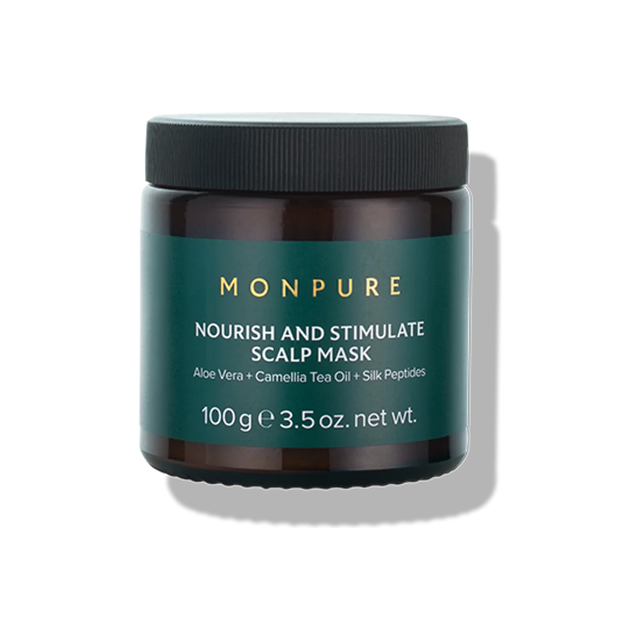
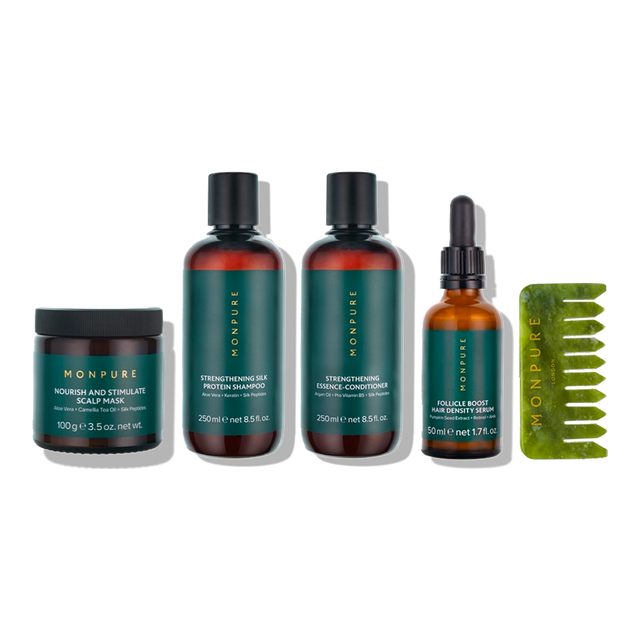
While hair graying is a natural part of the aging process, there are steps you can take to keep gray hairs at bay and give them the care and attention they need. Recent research has shown that antioxidant-rich solutions, such as the addition of Vitamin C and Vitamin E, can help delay graying.MONPURE’s Nourish and Stimulate Scalp Mask delivers an instant dose of antioxidants and essential vitamins to the scalp and follicles with hero ingredient, camellia tea oil, working to fend off the effects of oxidative stress, including hair aging. Innovative vegan silk peptides deliver breathable protection against the elements. In the face of harmful UV rays, the significant protective properties of this ingredient also improve hair color protection by 35%.
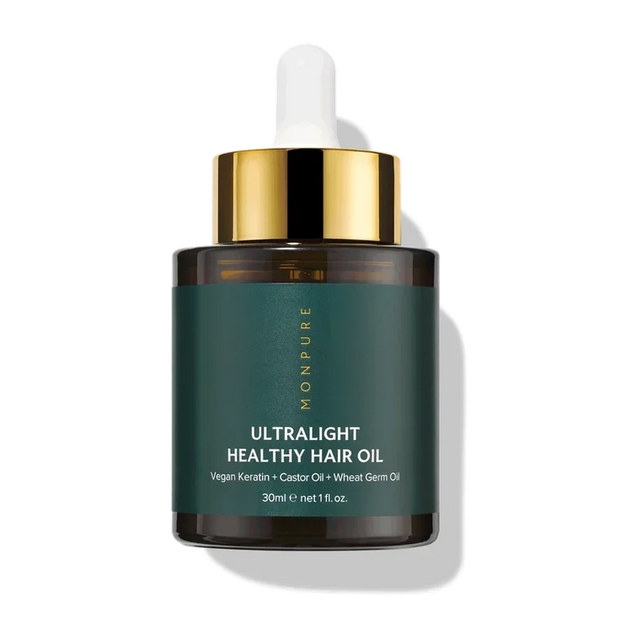
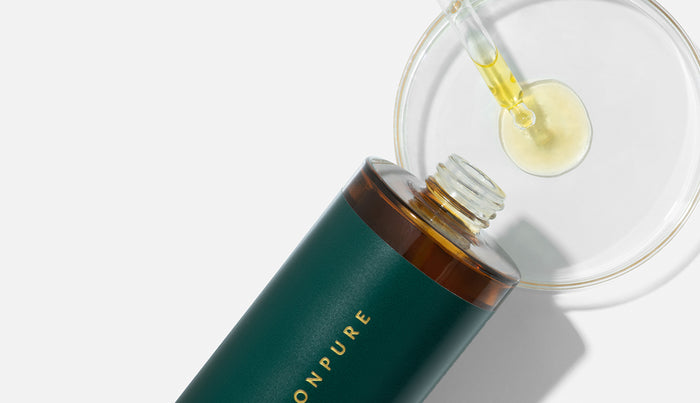
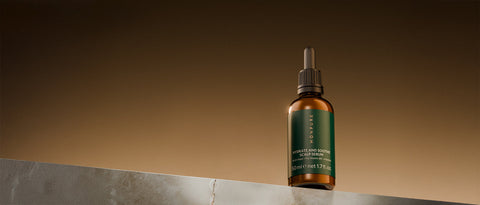
MONPURE’s Ultralight Healthy Hair Oil is formulated with a powerful antioxidant, Coenzyme Q10, which defends against the effects of oxidative stress. This unique ingredient is also effective at maintaining youthful, shiny looking hair. Coenzyme Q10 is a powerful bioactive anti-aging agent that stimulates the gene expression of different hair keratins, especially those which are reduced during aging processes in hair follicles.
Changes in Density and Diameter
According to MONPURE’s resident Scalp and Hair Health Expert, Sofia Baig, “As hair ages, it has a shortened life cycle, with shorter, finer hair falling out. This hair is usually replaced with new finer hair. However, over time, nearly everyone has some hair loss with aging.”
New research suggests that over 52% of women will experience some form of hair loss by the age of 50, and by the age of 60, approximately 80% will undergo changes in their hair density. Typically, these changes in hair density and diameter manifest in the form of female-pattern-baldness, also known as androgenic alopecia.
Androgenic alopecia is a gradual condition caused by the increased presence of the hormone, DHT, which occurs with age and during menopause. This primarily affects women as they age because the onset of menopause usually begins between the late 40s and 50s. Postmenopausal women are shown to have significantly lower hair fiber diameters than premenopausal women, as well as lower frontal scalp hair density and growth rates.
DHT is a byproduct of testosterone and its conversion is helped along by an enzyme called 5-alpha-reductase. DHT brings about a process called follicular miniaturisation, whereby the hair follicle shrinks, the growth phase is shortened and new growth is delayed. In this case, hair becomes more brittle, fragile and thin with age, as well as more sparse in density. In women, gradual thinning usually begins at the part line and sides, followed by increasing diffuse hair loss radiating down from the top of the head.
How to thicken gray hair
Scalp and Hair Health Expert, Sofia Baig, explains that “If you are concerned about age-related hair loss, it’s important to take care of your hair as you age and use the right products to unlock your hair’s full potential.”
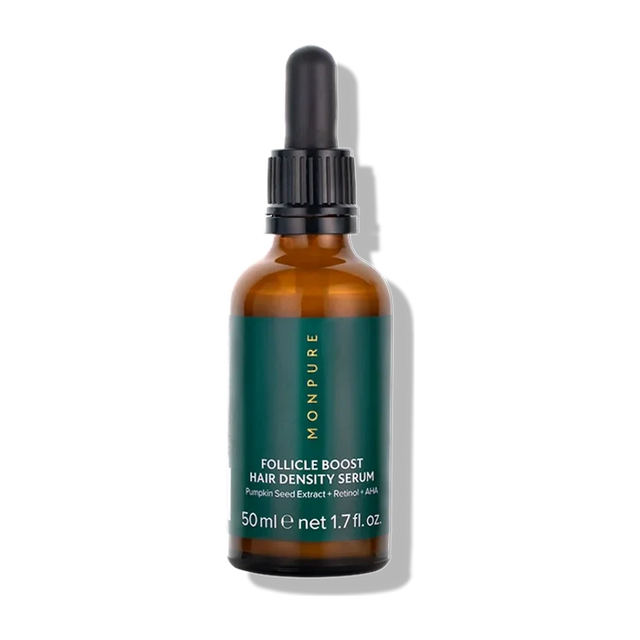
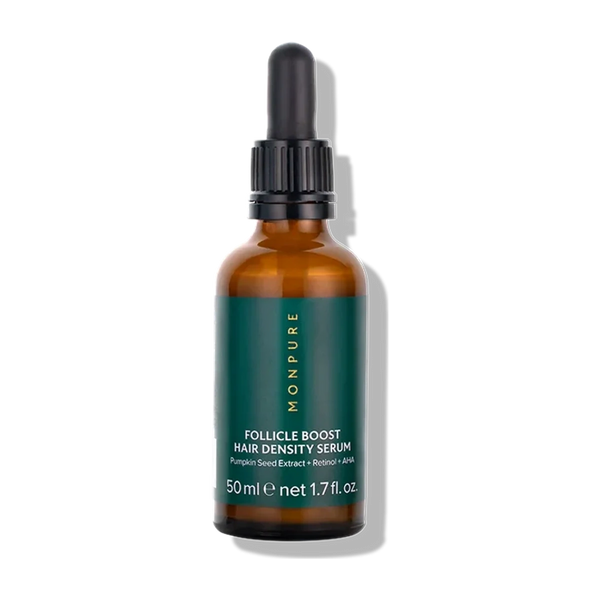
MONPURE’s multi-award winning Follicle Boost Hair Density Serum helps promote hair growth and minimize hair thinning by targeting the catagen and telogen phases and boosting the growth of new follicles entering into a new cycle of the anagen phase. Hero ingredient, pumpkin seed extract, is scientifically proven to block the 5-alpha reductase enzyme that produces DHT. The innovative serum also stimulates follicles, promotes cell turnover, delivers nutrients and boosts circulation to the scalp.
Changes in Hair Curvature
Studies show that hair curvature increases with age. Hair’s curvature, shape or morphology (i.e., straight or curly hair) is generally explained by genetics and biomechanics. For example, curly hair, which ranges from waves to kinks, is formed from a slightly curved hair follicle, which creates asymmetry in the rate of growth on either side of the follicle and fiber. Curly hair follicles are “S-shaped”, and this shape is thought to be determined during fetal development.
In straight hair, the cells in the follicle are shaped in a coordinated fashion, leading to even hair growth from the straight follicle. However, with age, hair curvature begins to change. This is explained by a lack of synchronisation in the curvature of neighboring hair fibers in an assembly of hair. These changes in curvature can lead to a poor alignment of hairs, lustre reduction and increased frizziness over time.
How to calm frizzy gray hair
Keeping your hair moisturized and nourished is the best method to combat frizz. Not only is hydrated hair slightly heavier in mass and keeps the strands more bonded together, adding moisture changes the hair’s structural composition, sealing down the cuticle layer and leaving a smoother appearance without weighing it down.
MONPURE’s Ultralight Healthy Hair Oil delivers nutrients to the strands, and cultivates hair health and strength with consistent use. Repairing vegan keratin seals down the cuticle, minimizes frizz and protects aging hair from environmental aggressors.
Coenzyme Q10 holds antioxidant properties that work to improve hair health. Wheat germ oil is the richest natural source of hydrating Vitamin E, working to boost lustre, shine and smoothness in the face of changing hair manageability.
Changes in Hair Composition
Alongside color, shape and density changes, hair also undergoes changes in its structural composition over the lifespan. Age-related changes in lipids affect hair greasiness, softness, shine and smoothness. Specifically, the two major sources of hair lipids are the hair matrix cells and the sebaceous glands. Sebum production rapidly increases at puberty, remaining at a high level until 45–50, where it declines.
While gray hair feels coarse and rough, the structure of the strand hasn’t actually changed. Aging hair has a different texture because the sebaceous gland doesn’t produce as much sebum (the natural oil that hydrates the hair strand). As a result, gray hair often feels more coarse, dry, and wiry, but using the right hair products can help.
How to improve gray hair texture
The Strengthening Essence-Conditioner, inspired by K-beauty regimes, resembles a skincare essence with a lightweight consistency and nourishing ingredients. It replenishes moisture to the scalp and lengths after washing, ensuring that the scalp’s natural hydration levels are restored, while also nourishing, strengthening and smoothing the hair. This hydrating hero targets hair dryness and split ends, improves sheen and rebuilds aging hair from the root.
Aging (with changes to our hair being included) is part of life’s natural trajectory. While MONPURE strongly supports empowering women through every stage of their life, we understand that maintaining strong and healthy hair across the lifespan is very important to many women. By introducing MONPURE’s innovative active ingredients and holistic steps that cultivate hair health from beneath the surface, hair aging can be transformed into ‘well-ageging’. Well-aging celebrates that aging celebrates is not something to be ashamed of, and ensures that our routines work in harmony with the natural needs of the hair and scalp.
Frequently Asked Questions
Why is my hair getting frizzier as I get older?
As we age, our hair tends to become drier and loses some of its youthful moisture content. This is partially due to decreased sebum production from the scalp's oil glands. Without proper hydration and oils to seal the cuticle, hair appears frizzy and frazzled more easily. Age-related changes in hair's lipid composition and curvature alignment also play a role. Using targeted hair care solutions with nourishing oils and vitamins can help smooth strands.
Is gray hair a sign of menopause?
For many women, the onset of perimenopause in their 40s and 50s does accelerate graying and hair thinning. As hormone levels shift leading up to menopause, including declining estrogen, the production of testosterone increases. This testosterone is then converted into DHT, which causes follicular miniaturization and decreased melanin. While genetics do play a central role in when someone's hair begins graying, hormonal changes associated with menopause can speed up the process.
What is good for aging hair?
Some of the best things for aging hair include using targeted hair care products with antioxidants like Coenzyme Q10, camellia tea seed oil, and vegan silk peptides. These help defend strands against oxidative damage from UV light, pollution and other environmental stressors. Hair masks and serums with hydrating oils, strengthening proteins, and nourishing botanical extracts can also rejuvenate lacklustre, mature locks. Being consistent with a hair care regimen aimed at hair longevity also helps aging hair look and feel its best.