






Getting a decent night’s sleep is something that many of us struggle with. For some of us it’s a life-long problem. For others it can be due to changes in the weather, life events or increased stress levels.
Sleep deprivation doesn’t just make us feel lethargic and irritable, it can also impact our physical health, being linked to issues such as low-immunity, depression and weight gain. But among its lesser-known repercussions are those it has on your skin (including your scalp-skin).
Here’s why – dermatologists agree that skin works according to the rhythm of your body clock (known as its ‘circadian rhythm’). This is our body’s own 24-hour clock that regulates our sleep – hence why we get jet-lagged when we fly to different time zones. The processes that take place in our body occur at different times of the day, which includes when our skin repairs and regenerates.
So if we experience disruptions in our sleep (and consequently our skin’s regeneration cycle) it means that it can’t repair or turnover new cells as efficiently. The result? Scalp dryness, irritation and accelerated aging (coupled with stress leads to an increased risk of hair loss and conditions like eczema and psoriasis).
So what can we do to improve our chances of getting a decent forty winks? Here are some suggestions …
Get moving during the day
Just ten minutes of daily exercise can hugely benefit the quality of sleep you’re getting. Especially if you go to a local park, where the combination of aerobic activity and being in nature can significantly reduce stress levels. Plus, exercise causes our body temperature to rise slightly, and later drop which triggers ‘sleep mode’.
Make ‘bedtime’ a thing
Many things, like working from home can mean our sleep schedule is slightly erratic. But thanks to our circadian rhythm, your brain has a specific time of day when it’s ‘bedtime’, by making sure sleep happens at a specific time each night. Otherwise you could experience insomnia (or even mild ‘jetlag’ the next day!) Sticking to a regular sleep schedule will ensure your brain knows when it’s time to switch off and you can fall asleep without a hitch.
Can’t sleep? Get out of bed!
Take it from your humble author – as someone who has struggled with insomnia since childhood, getting up and doing something else to distract your mind is the one fail-safe trick that always helps (just make sure you’re not disturbing anyone else’s sleep in the process!). Lying in bed, stressing about being awake will mean you’ll just continue to stay awake. Get out of bed (quietly!), remove yourself from the thing that’s causing you stress (i.e. your bed) and distract yourself with something like reading or listening to a podcast through your headphones. Soon your mind will become weary and you’ll feel ready to try again.
Avoid screen time a few hours before bed
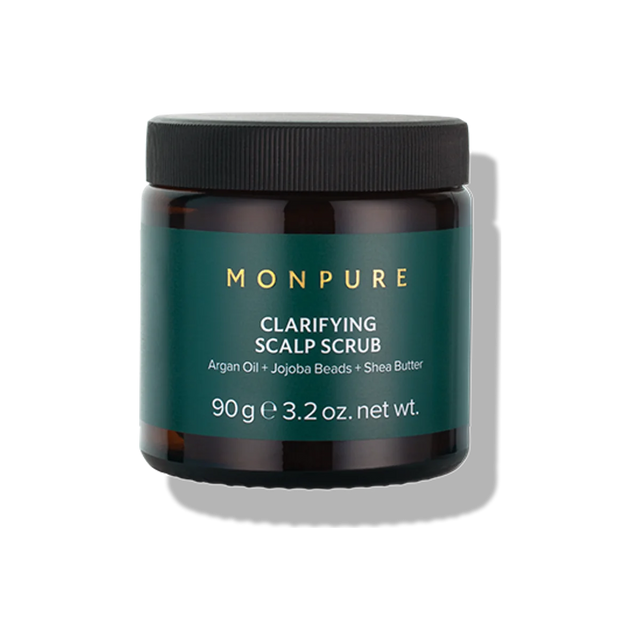
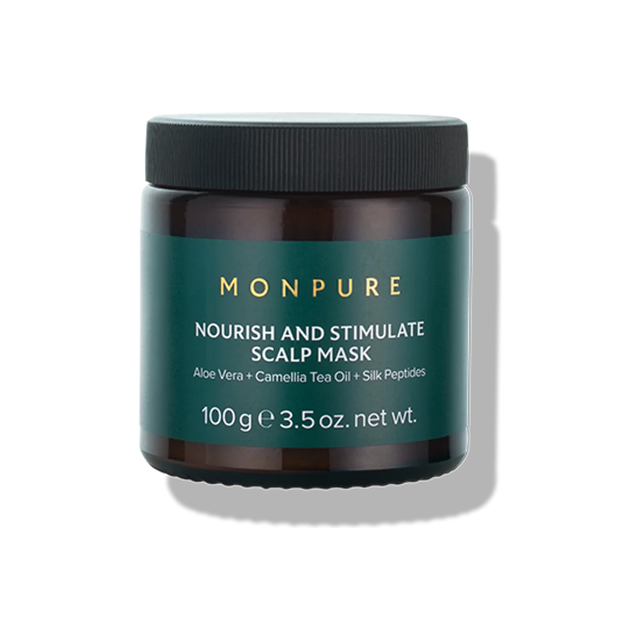
While it’s really tempting to crash out in front of the TV, or chat on WhatsApp in the evening, choose a relaxing activity that doesn’t involve staring at a screen (the blue light is like caffeine for your brain). (Instead of a Netflix binge, why not enjoy a relaxing scalp ritual with our Clarifying Scalp Scrub and Nourish and Stimulate Scalp Mask?)
Make your bedroom a sleep sanctuary!
Make sure your bedroom is a place your brain associates with sleep and relaxation. This means clearing out all clutter, work files and laptops. (FYI you should NOT be working from your laptop in bed!) Adding some scented candles (we love 7over7’s gorgeous range) or houseplants can work wonders in making your bedroom more relaxing. (My jasmine plant and dragon tree have proven pleasant roommates since they moved in!)
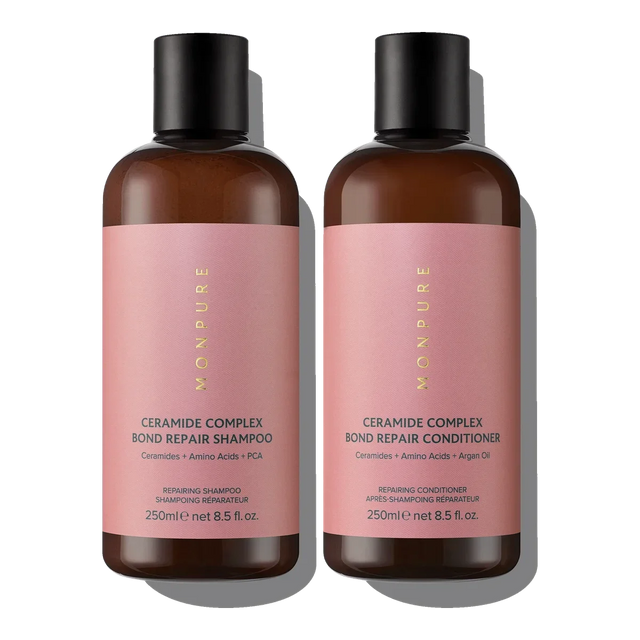
Try our Rewind and Restore Regime for an extra relaxing treat before bed. Shop now.