



In your school science class, you might have learnt that Amino acids are the "building blocks of life”, the molecules that coil together to form the protein in our body. Relative to hair, they are what make up keratin, which encompasses up to 95% of the hair fibre you brush, colour and blow-dry.
Whether they are taken as a supplement or topically, amino acids will repair damage, help retain moisture, improve the circulation of the scalp… Essentially they will fortify the hair from the follicle up.
Amino acids don't get the spotlight that biotin, collagen or retinol do in hair care. These three help ease the introduction of amino acids into the hair, but today we’re learning about the star component. Because when your hair feels weak, dull, or is breaking before it ever gets the chance to grow long, the answer is amino acids, and their admirable ability to do construction work.

What Types of Amino Acids Are There, and Why Does Your Hair Need Them?
There are 20 types of amino acids that the body uses to build every protein it needs, nine of which are classed as “essential”, meaning the body can't generate them itself and they have to come from food or supplements. When enough of the right amino acids are available, cells in the hair follicle are able to synthesise keratin efficiently. Keratin gives each strand a protective outer cuticle, its load-bearing cortex, and - in some cases - the innermost medulla (which provides thermal insulation and volume to thicker hair types).
When amino acid supply runs short, through crash dieting, illness, or simply not eating enough protein, hair is one of the first tissues that the body lets go of.
The body must first allocate protein to organs it needs to survive, so it won’t prioritise the glossy hair we’d like to see in the mirror. This is why restrictive diets have been well-documented to trigger hair loss.
The most important amino acids for hair:
-
Cysteine forms sulphur-to-sulphur bonds between keratin chains. The bonds give hair tensile strength and its ability to hold a shape (this is the same bond chemistry keratin treatments and perms manipulate). More cysteine links generally mean more resilient, less breakage-prone hair.
-
Methionine is a precursor to cysteine and plays a role in protecting the hair shaft and follicle from oxidative stress during the growth phase.
Alongside these, arginine supports microcirculation to the scalp, delivering oxygen and nutrients to the follicle. While lysine supports collagen formation, which provides for our scalp its resilience and elasticity, qualities we tend to value and search for in moisturisers that we apply liberally on the rest of our body.
A quick reference:
|
Amino Acid |
What It Does for Hair |
Where You'll Find It |
|---|---|---|
|
Cysteine |
Forms the disulphide bonds that give hair its strength and structure |
Eggs, dairy, oats — and topical bond-repair formulas |
|
Methionine |
Precursor to cysteine; protects follicles from oxidative stress |
Nuts, seeds, legumes |
|
Arginine |
Supports scalp blood flow, delivering nutrients to the follicle |
Nuts, seeds, soy |
|
Lysine |
Supports collagen production for scalp and follicle health |
Legumes, quinoa, dairy alternatives fortified with protein |
|
Glycine & Proline |
Lightweight amino acids that support the hair shaft's flexibility and the scalp's collagen matrix |
Plant proteins, gelatin-free vegan collagen boosters |
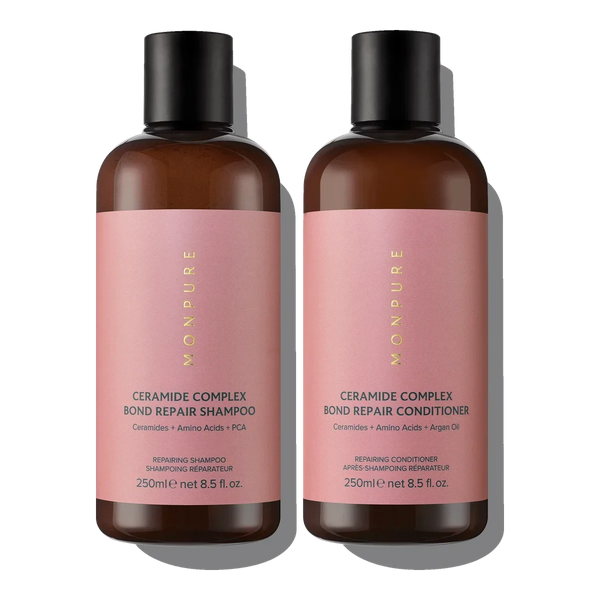
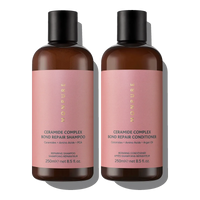
This is precisely what MONPURE's Ceramide Complex Bond Repair Shampoo + Conditioner were formulated for, the ceramide and amino acid duo rebuild broken hair bonds alongside the brand's vegan alternative to traditional silk protein,vegan silk peptides, which forms a breathable "second skin" over the hair shaft to reinforce it from the outside while amino acids work from within.
Ps., If you want the full ingredient-by-ingredient breakdown of what's active in every MONPURE formula, the Ingredient Glossary has the science behind each one.
How Do Amino Acids Affect the Hair Growth Cycle?
Hair grows in three phases: anagen (active growth), catagen (transition) and telogen (resting/ shedding); and amino acid availability influences how well the follicle performs through each one. A follicle that's well-supplied with the raw materials for keratin synthesis does exactly what we want it to do: stay in anagen longer and produce a thicker, more resilient strand. One that's protein-starved is more likely to shift prematurely into telogen, contributing to the kind of diffuse shedding seen with oxidative stress or nutrient deficiencies.
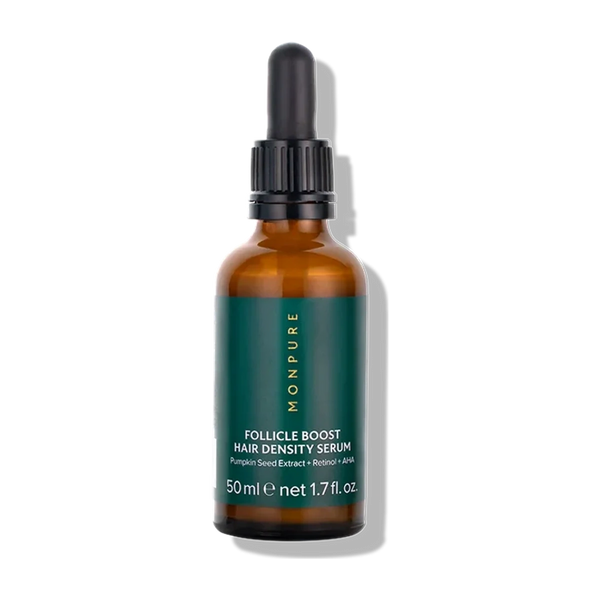
This is why amino acids can work best with other actives as a system rather than in isolation. MONPURE's Follicle Boost Hair Density Serum, for example, targets the hormonal side of thinning by inhibiting DHT production to protect new follicle growth, while amino acids and vegan keratin rebuild what's already there.
Can You Get Enough Amino Acids From Diet Alone?
For most people eating a varied, balanced diet with adequate protein is enough. The NHS's (2026) guidance on protein intake applies just as much to hair health as it does to everything else protein supports in the body.
Good amino-acid-rich sources include:
-
Meat, poultry and fish — all complete proteins, containing the full spread of essential amino acids in one source; oily fish (salmon, mackerel, sardines) also bring omega-3s, that support the scalp's anti-inflammatory environment.
-
Eggs and dairy — eggs in particular are considered a benchmark complete protein, and dairy adds B vitamins alongside protein.
-
Legumes and pulses — lentils, chickpeas, beans (build a complete protein when paired with grains).
-
Tofu, tempeh and edamame
-
Quinoa — one of the few plant sources considered a complete protein on its own
-
Nuts and seeds — particularly pumpkin seeds, which also bring the DHT-blocking benefits MONPURE has written about separately.
-
Whole grains, oats and fortified plant milks
MONPURE's approach differs from most of the hair-care market in that other brands' "hair protein" ingredients (hydrolysed keratin, silk peptides, collagen) are typically sourced from feathers, silkworms or animal hide; through Monpure’s Vegan Silk Peptides and vegan keratin, they deliver the same amino acid profile and the same conditioning mechanism without using animal by-products. We believe that hair-strengthening is our problem, not a worm’s, and that shouldn't compromise on what's actually in the bottle, these work as well, if not better, than their animal derived counterparts.
Topical vs Dietary: Where Amino Acids Actually Work
Amino acids can support hair from two directions, and the most effective routines use both:
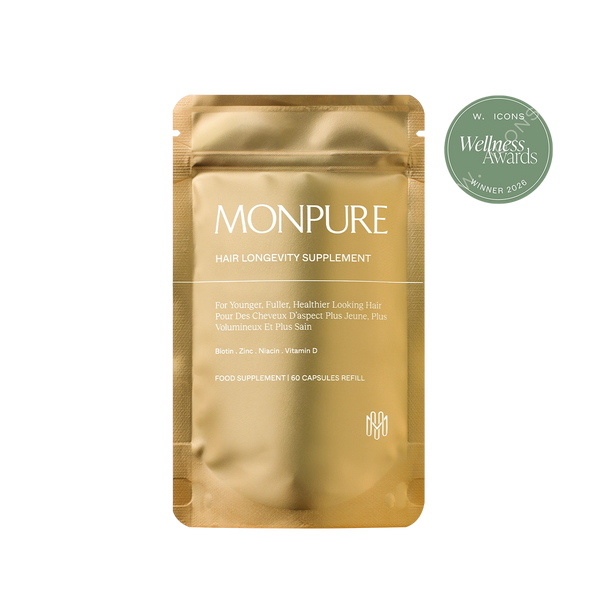
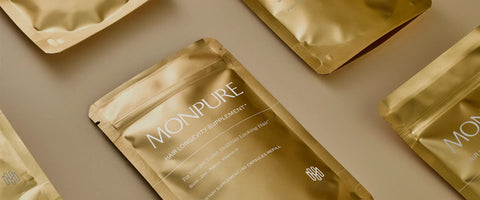
Internally through diet, or supplementation when a deficiency is confirmed. MONPURE's own Hair Longevity Supplement combines biotin, zinc, collagen, vitamin B6 and vitamin C, several of which work in synergy with amino acids. Vitamin C, for instance, is required by the body to build collagen structures in the scalp and follicle, by helping amino acids like lysine and proline form a stable triple helix; without that stability we would be like pirates—not in the hair-in-the-wind-standing-on-the-bow-of-the-Black-Pearl way—in the scurvy-having way.
Topically through formulas, amino acids and protein-supporting actives are delivered directly to the hair shaft and scalp:
-
Ceramide Complex Bond Repair Shampoo + Conditioner. Ceramides and amino acids work together on hair that's dry, damaged or prone to breakage.
-
Strengthening Silk Protein Shampoo + Essence-Conditioner. Vegan silk peptides and vegan keratin rebuild strand strength wash after wash.
-
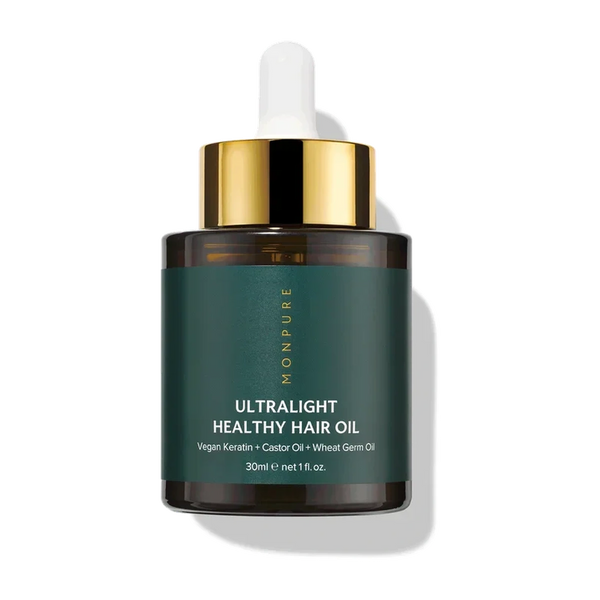
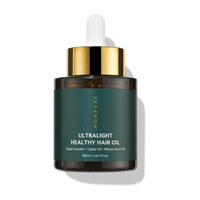
Ultralight Healthy Hair Oil. Coenzyme Q10 and vegan keratin act in a fast-absorbing finishing oil to repair the hair and seal in the reconstructed strength.
Ps., If you're not sure which combination is right for your hair type or concern, the Hair & Scalp Quiz builds a personalised routine in under two minutes.
Signs You Might Need More Amino Acid Support
A genuine amino acid or protein deficiency severe enough to affect hair is uncommon in people eating well, but a few signs are worth paying attention to:
-
Hair feels weak, "gummy" when wet
-
Increased breakage along the length of the hair rather than shedding from the root
-
Slower-than-usual growth, or hair that seems to plateau at a certain length
-
Dry, brittle-feeling strands that don't respond to moisture alone, that snap rather than stretch
These signs can also overlap with other causes such as iron or vitamin D deficiency, thyroid changes, or simply over-processed hair. So if shedding or breakage is significant or sudden, it's worth getting it properly assessed rather than guessing
Building an Amino-Acid-Rich Hair Routine
- Start with diet. Aim to include a protein source in most meals (plant-based sources like lentils, tofu and quinoa all count, and MONPURE's formulas are built to complement a vegan or vegetarian lifestyle rather than assume an animal-based diet).
- Wash and condition with purpose. Swap in a strengthening, amino-acid-formulated shampoo and conditioner like the Strengthening Shampoo + Conditioner duo, or the Ceramide Complex Bond Repair pair if damage and dryness are the main concern.
- Seal it in. A lightweight oil like Ultralight Healthy Hair Oil after styling helps protect the amino acid bonds you've just reinforced from heat and friction.
- Support from within, if needed. If your diet is inconsistent or you suspect a gap, hair supplements could help close it. Vitamin C and zinc will help your body actually use the amino acids you're getting.
- Be consistent for 3-6 months. Hair grows roughly 1cm a month, so changes at the amino acid and follicle level take time to become visible — most people need that time before judging results.