

A Monpure guide, with expert commentary from Sofia Baig, Lead Trichologist
If you have started Ozempic, or another GLP-1 medication, and noticed more hair than usual collecting in your brush, you are not imagining it, and you are far from alone. Hair shedding is one of the more commonly reported side effects among people taking these medicines, yet it rarely gets talked about openly. Here is what is actually going on, why it happens, and, most usefully, what you can do to look after your hair through it.
What is Ozempic, and why does it affect hair?
Ozempic (semaglutide) is part of a group of medications called GLP-1 receptor agonists. They were originally developed for type 2 diabetes and are now widely prescribed for weight management. They do their job well, but they can also trigger a type of shedding called telogen effluvium, and understanding why is the first step to dealing with it.
Hair follicles move through a constant cycle: growth (anagen), a brief transition (catagen), then rest (telogen). At any given moment, around 85 to 90 percent of your hair is in the growing phase. When the body goes through real physiological stress, and rapid weight loss counts, a larger share of follicles get tipped early into the resting phase. Because that resting phase lasts months, the shedding often does not show up until eight to twelve weeks after the thing that caused it. By then the trigger can feel like old news.
The main drivers here are metabolic and nutritional. Losing weight quickly changes your hormonal signalling and leaves less energy to go around. Hair counts as non-essential tissue, so the body looks after vital organs first and quietly diverts nutrients away from the follicle. Eating less, plus the slower gastric emptying that GLP-1 medications are known to cause, can add to the problem, leaving you short on the nutrients hair leans on most: iron, zinc, the amino acids needed to build keratin, and B vitamins. Even mild shortfalls can disrupt the fast-dividing cells in the hair bulb, which means more shedding and poorer hair quality. Shifts in insulin, androgens and cortisol can unsettle the follicle cycle further during this time.
Sofia says:
"Hair loss linked to GLP-1 medications is not a direct effect of the drug. It is a secondary response to what is happening metabolically and nutritionally in the body. That is actually reassuring, because it means it is something we can actively support. The shedding is usually temporary, but that does not mean you should simply wait and see. The sooner you put the right support in place, the better."
Before you start: build your baseline
If you are about to begin a GLP-1 medication, there is plenty you can do now to reduce how much you shed and how severe it gets.
A nutritional check is a sensible first move, looking in particular at ferritin, B12, vitamin D, zinc and thyroid function, alongside how much protein you are eating. Keratin, the protein your hair is built from, depends entirely on having enough amino acids available. Getting your levels right before treatment starts gives your follicles the best possible base to work from.
Sofia says:
"In clinic, I always recommend patients get their bloods done before starting any medication that might affect the hair cycle. It gives us a baseline, and it means we are not guessing later about what caused a change. Prevention really is better than cure here."
During treatment: protecting your scalp and hair
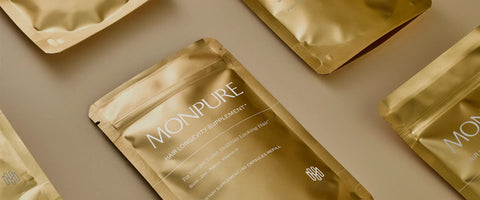
Once you are on a GLP-1 medication, the priority shifts from how much you eat to how nutrient-dense it is. Leaning into iron-rich foods, good-quality protein and targeted micronutrient support where it is needed can make a real difference to how your hair copes.
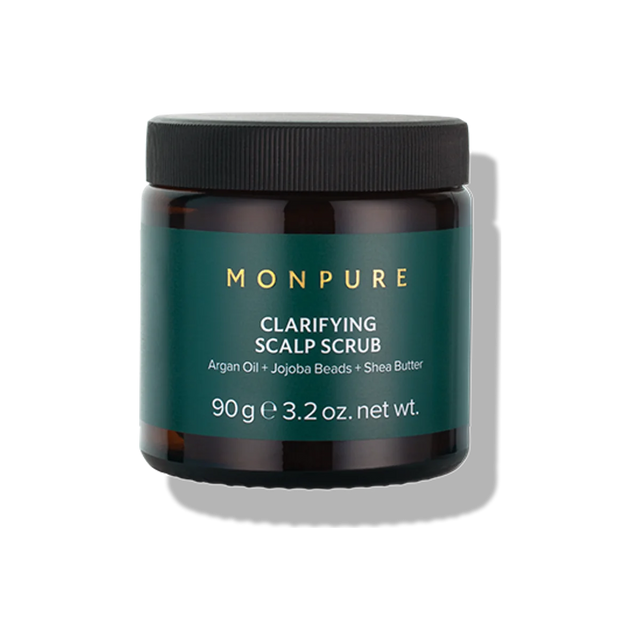
What you do on the scalp matters just as much. The scalp is where it all starts, and keeping it clean, calm and well-nourished helps carry the follicles through a stressful stretch. In practice that means gentle but thorough cleansing, anti-inflammatory scalp care, and regular massage to keep the blood moving and the follicles fed. A steady, scalp-first routine beats the occasional one-off product every time.
Sofia says:
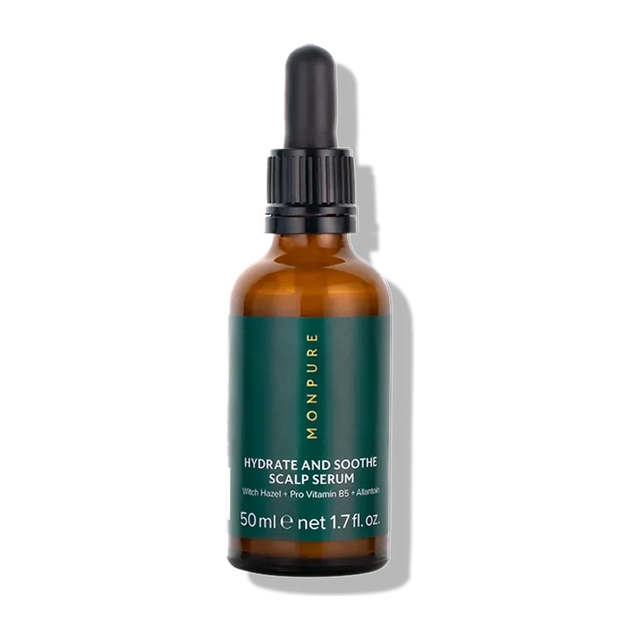
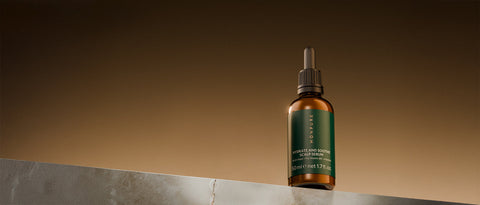
"Your scalp is skin. It needs the same care and consistency you would give your face. A period of metabolic stress is exactly when you should be more intentional about your routine, not less. A good scalp serum, used consistently, can make a real difference to follicle health through this time."
After shedding: supporting regrowth
As the cycle settles, attention turns to helping hair move back into anagen, the active growth phase. This is where consistency becomes the single biggest factor.
Continued nutritional support, paired with targeted topical treatments, can improve both the quality and the density of the fibre over time. Regrowth usually begins within three to six months, in step with the natural cycle. Hair that grows from a healthier follicle will be stronger, but recovery takes time, and keeping expectations realistic is part of the process.
Sofia says:
"Regrowth is a process, not an event. The shedding phase is distressing, but it is followed by recovery, and that recovery can be meaningfully supported with the right products and nutrition. A routine used consistently over months will always beat the best product used now and then."
What this means for your routine
If you are using a GLP-1 medication, or thinking about it, now is the moment to invest in a considered, scalp-first routine. Not as a panicked reaction to shedding, but as a proactive way to protect the hair you have.
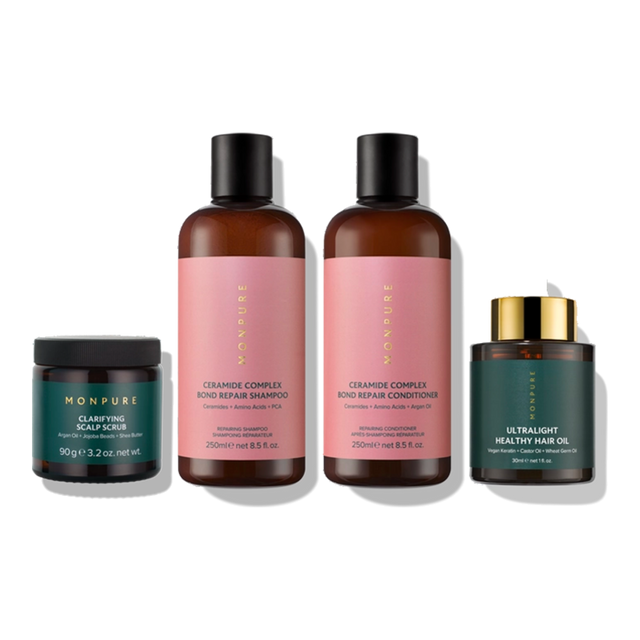
Lasting results come from doing the right things consistently. Monpure's approach, products designed to work in layers from the scalp through to the lengths, is built for exactly this kind of long-term support. Because when it comes to your hair, what you do every day counts for far more than what you do once.